
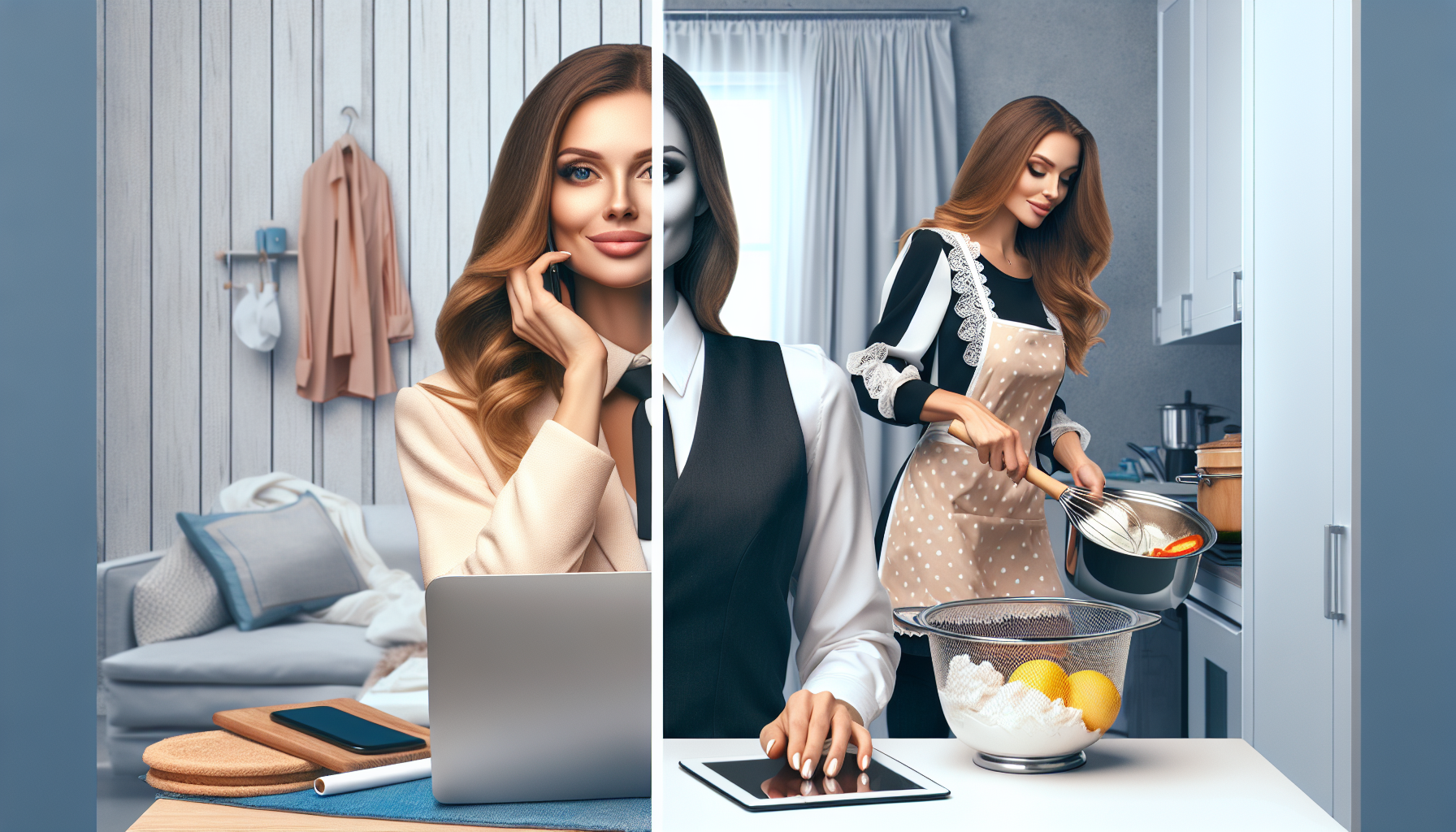
In our society, countless women work tirelessly, managing both professional responsibilities and household duties. Unfortunately, the respect they deserve often goes unnoticed, leading to a persistent dilemma for every homemaker. Even those excelling in professional roles find themselves facing challenges when they return home. The need for a change in perspective towards women is evident, allowing them to break free from traditional stereotypes.
Identifying the Problems
Working women face the paradox of being leaders in the workplace but treated as common employees at home. Their efforts in managing households often go unappreciated and they rarely enjoy the privilege of leaves or retirement. This prevailing issue necessitates a transformation in how we perceive and treat women in both personal and professional spheres.
Work-Life Balance Challenges
It’s noteworthy that a significant number of working women seeking counselling face the common struggle of work-life balance. This trend underlines the urgency of addressing the challenges that working women encounter in managing their professional and personal lives simultaneously. The demanding nature of contemporary work environments often leads to burnout, stress, and strained family relationships.
Possible Causes
- Lack of Recognition: Household contributions often lack the acknowledgment they deserve.
- Voice Suppression: Women may find it challenging to voice their opinions and concerns at home.
- Role Discrepancy: Despite holding high posts at work, they face inequality within the confines of their homes.
Possible Solutions
Replacement Theory for A Gradual Transition in Roles
Traditionally, women have been confined to roles as primary caregivers and homemakers. The Replacement Theory challenges this norm by advocating for a gradual transition. Women, in this context, are encouraged to take on roles beyond conventional expectations, becoming leaders in decision-making processes, financial management, and other aspects traditionally associated with male authority. The theory acknowledges that this shift is a process, emphasizing the importance of changing perceptions over time.
Identifying Potentiality and Incorporating Trust
Encouraging women to identify potential leaders within the family involves recognizing the unique skills and strengths of each family member. It could be a supportive spouse, responsible children, or even other extended family members. This strategy emphasizes that effective leadership and responsibility should not be shouldered by a single individual alone. By trusting and assuring family members that they are capable of handling specific tasks and roles, women can create an environment where responsibilities are distributed, and everyone plays a crucial part in the overall functioning of the household.
Delegation and Equality in performance
Delegation involves empowering women to relinquish the notion of being the sole executor of household tasks. Instead, it encourages them to involve other family members, such as spouses and children, in contributing to the shared responsibilities of the household. For instance, tasks like cooking, cleaning, and organizing can be distributed based on capabilities and age-appropriateness. This not only lightens the load for women but also fosters a sense of collective responsibility and teamwork within the family.
Results
Effective implementation of these solutions will lead to:
- Increased Acknowledgment: Women’s contributions at home will gain the recognition they deserve.
- Enhanced Work-Life Balance: Improved equilibrium between professional commitments and personal life, resulting in reduced stress and burnout.
- Transformed Family Dynamics: A cultural shift towards shared responsibilities, fostering a more equitable and supportive family environment.
Takeaways
- Acknowledge and Appreciate: Recognize and appreciate the efforts of working women in managing both their professional and personal lives.
- Embrace Cultural Shifts: Support a cultural shift that values shared responsibilities within families.
- Promote Leadership at Home: Encourage and support women in assuming leadership roles at home without compromising their professional standing.
It’s high time for women to evolve from being housekeepers to house leaders. This shift not only benefits women individually but also contribute to the overall progress of our communities. The pressing need for this transformation is evident in the challenges faced by many seeking counselling, emphasizing the urgency to address work-life balance issues for a more empowered future.
Let’s take a step forward towards a gender-neutral society by acknowledging and appreciating the efforts of working women in managing both their professional and personal lives. Let’s encourage them to assume leadership roles at home without compromising their professional standing. It’s our responsibility to support a cultural shift that values shared responsibilities within families. Only then can we hope to foster a more equitable and supportive family environment and build a brighter future for all.


Drop your thoughts below!