Rewire Your Mind:2025 Philosophy Hacks for a Smarter Life

In life, things often don’t go as planned. Even when you find your dream job, you might still feel unhappy. So, where can we search for happiness? Many people today are trying to help others live better lives, but is this really working? Are people always motivated? Usually not. What can we do to create a happier life?

Smart living is one way to gain life benefits with less harm. This idea can improve our health and happiness. But what does smart living mean? We can learn about it by exploring the valuable lessons of philosophy.

Living smart is about clear thinking. Question like Descartes, reason like Kant, and be present like Krishnamurti. This is how you enhance your health and happiness.


Rene Descartes

Interesting facts about Descartes

  • Descartes will never accept the authority of anyone.
  • He writes on the topic on which no one has written before.
  • He rejected the theory of final ends or divine.
  • He liked traveling and mixing with people of diverse interests.
  • Descartes believe that all truths are interrelated.
  • Descartes said that man should also cry when necessary.
  • Descartes used to give lectures to Queen Christina at 5 a.m. in her cold castle.
  • Descartes was certain that he exists because he thinks.
  • Descartes believe that in modernity the guarantor of truth is not God but human beings.

“I doubt, therefore I think, therefore I am”.

Rene Descartes

Living Smart with Descartes Reason and Passion

To live well, inspired by Descartes’ philosophy:

Question Everything: Think critically and seek your own understanding.

Explore New Ideas: Tackle uncharted topics boldly.

Cultivate Self-Awareness: Reflect on your thoughts, emotions, and motivations.

Balance Reason and Emotion: Embrace both logic and authenticity in your feelings.

Engage with Others: Learn from diverse perspectives to grow.

Trust in Human Reason: Pursue truth through your own critical thinking.

Persist Through Challenges: Stay committed to personal growth despite difficulties.

In essence, follow intellectual curiosity, emotional honesty, and personal responsibility for truth.


Immanuel Kant

Interesting Facts about Kant

  • Immanuel Kant discusses how things are unknowable to us as they exist independently.
  • He believes reason is the foundation of morality.
  • Kant lived a very orderly life, and it was said that neighbors set their clocks by his daily walks.
  • Although he never married, he had a vibrant social life and enjoyed company and conversation.
  • After his death, his skull was found to be larger than average for German men, with a wide forehead.
  • Kant argues that we must believe we are free for practical reasons, even if we cannot know for sure.
  • Kant believes that the source of good lies not in anything outside, but in human free will.
  • Kant calls that everything that is practical is possible through freedom.
  • Kant believes that everyone must respect others as individuals, no matter the situation.
  • Use humanity as a end and never as a means.
  • We have two goals: to improve ourselves and to make others happy.
  • Kant rejected aesthetics, believing that taste cannot be recognized beforehand.
  • People have the inherent ability and duty to think and act rightly.

“Thoughts without content are empty, intuitions without concepts are blind.”

-Immanuel Kant

Living Smart with Kant’s Freedom and Responsibility

  1. Reason is Key: Use reason as the foundation for your moral decisions. Avoid acting on impulse; think critically before making choices.
  2. Respect Others: Treat everyone as an end in themselves, never merely as a means to an end. Value others’ autonomy and dignity.
  3. Freedom and Responsibility: Believe in your freedom to make choices, and accept the moral responsibility that comes with it.
  4. Moral Duty: Every person has a duty to think and act rightly. Use your inherent ability for ethical decision-making.
  5. Self-Improvement & Happiness of Others: Focus on personal growth and work towards the happiness of those around you.
  6. Discipline and Order: Structure your life with routine and discipline for productivity and balance.
  7. Subjective Aesthetics: Trust your own tastes in art and beauty, without conforming to others’ opinions.
  8. Live with Practical Freedom: Even if you can’t fully prove it, live as if you are free, because your choices matter.

To live smart, blend reason, respect, personal growth, and freedom with a disciplined, ethical approach to life.


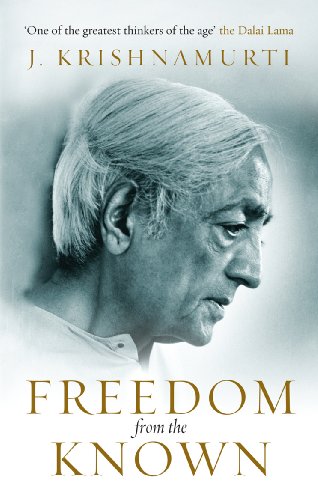
Jiddu Krishnamurti

Interesting Facts about Krishnamurti

  • Krishnamurti believed that truth is found in a pathless land.
  • He advised against following any doctrine, teacher, authority, or even himself.
  • He often discussed choiceless awareness, psychological inquiry, and freedom from conditioning.
  • Krishnamurti was a lifelong vegetarian, he opposed meat eating for ethical and spiritual reasons.
  • Krishnamurti shared a close bond with Annie Besant, considering her a surrogate mother.
  • Krishnamurti believed he was destined to be the World Teacher after proper guidance.
  • Krishnamurti excelled in sports, but he didn’t like formal education.
  • Krishnamurti stated that “Too much of everything is bad.”
  • Krishnamurti said that following someone means you stop following the Truth.
  • George Bernard Shaw called him the “most beautiful human being” he had ever met.
  • Krishnamurti stated that understanding oneself comes through relationships with people, ideas, and nature.

Krishnamurti describes sensitivity and the strong feeling of otherness as,

“Sensitivity, not only to beauty but also to all other things”

Jiddu Krishnamurti

Living Smart with Krishnamurti’s Philosophy

  1. Seek Truth in Freedom: Truth is not found through following others, doctrines, or authorities. It’s discovered in the “pathless land” of personal exploration.
  2. Practice Choiceless Awareness: Live with full awareness in each moment, free from judgment, distraction, or conditioning.
  3. Question Everything: Avoid blind adherence to any teacher, belief, or system, including Krishnamurti’s own teachings.
  4. Respect Life: Like Krishnamurti, embrace ethical living, including choices like vegetarianism, to align with your spiritual values.
  5. Value Relationships: Understanding yourself comes through genuine connections with others, ideas, and nature.
  6. Balance Life: Avoid excess—Krishnamurti said, “Too much of everything is bad.” Find balance in your desires and actions.
  7. Cultivate Inner Freedom: True freedom arises from shedding conditioning, expectations, and the need to conform.
  8. Follow Your Own Path: Don’t seek validation from others; live authentically and question the societal norms that limit personal growth.

To live smart means being free from conditioning. Seek truth without authority. Live ethically. Get balance and self-awareness in relationships and daily life.

Hey friends! Hope you enjoyed this cool work into living smart. Remember, with just a few small changes, you can make a big difference. So keep pushing for that awesome version of yourself!

In this age of smart living and strong vibes, tapping into the wisdom from world philosophies can really help. Our mission is to link the coolest ideas out there with personal development. We all have the chance to make each day better. As young scholars, we’re all about philosophy, and if you’re into it too, come hang out with us at Philotreat! Drop a comment or shoot me an email if you want to join. Trust me, we’ve got a brilliant and growing community.

Get ready to level up because we just unleashed our Mentorship Program for 2025! Don’t miss out—this is your chance to transform your future!

This gig will help you grow physically, mentally, socially, and spiritually. You’ll have one-on-one sessions with PhD professors who can totally help you shift your mindset every day. So don’t miss out on this opportunity to make 2025 your best year yet!


Drop your thoughts below!

Discover more from Grow with Philosophy| Confidence Coaching for Mind & Life

Subscribe now to keep reading and get access to the full archive.

Continue reading