
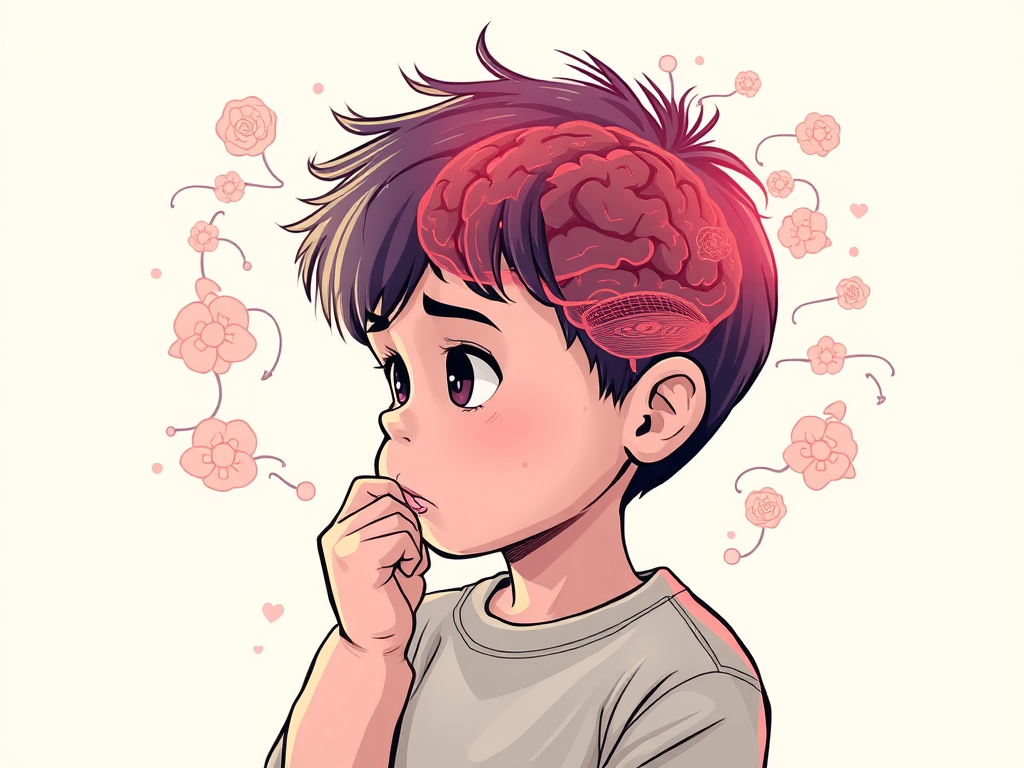
What is Trauma?
Trauma is the response to deeply disturbing or distressing events that overwhelms an individual’s ability to cope, causes feelings of helplessness, diminishes their sense of self and their ability to experience the full range of emotion and experience.
Note: If you wish to read this entire write-up without ads, click here.
Children’s Reactions to Trauma
Children’s responses to traumatic events depend on several critical factors:
- Developmental level – Where the child is in their cognitive and emotional development
- Premorbid functioning – How the child was functioning before the trauma
- Previous life experiences – What the child has encountered in their past
- Level of exposure to the trauma – How directly and intensely the child experienced the event
- Parental reactions – How caregivers respond to and process the trauma
- Subsequent changes in the living situation – Environmental changes following the traumatic event
Understanding Stress
Stress is any strain, stimulation, or pressure that affects our system. The key is finding the right balance:
- Too little stress – Results in boredom or feeling bummed out
- Just right stress – Leaves us energized and engaged
- Too much stress – Leads to breakdown and burnouts
Types of Stress
Good Stress vs. Bad Stress:
- Eustress – Positive stress that excites and delights us, providing challenge and engagement
- Distress – Negative stress that triggers our fight or flight response, including:
- Acute stress
- Chronic stress
- Traumatic stress
- Toxic stress
The Nine Functions of the Prefrontal Cortex
The prefrontal cortex serves as our brain’s command center, managing nine essential functions:
- Empathy – Understanding others’ emotions and perspectives
- Insight – Self-awareness and understanding
- Response Flexibility – Adapting our responses to different situations
- Emotion Regulation – Managing our emotional responses
- Body Regulation – Controlling physical responses and needs
- Morality – Making ethical decisions and judgments
- Intuition – Accessing our inner wisdom and gut feelings
- Attuned Communication – Connecting meaningfully with others
- Fear Modulation – Managing and regulating fear responses
Understanding the Brain’s Architecture
The Limbic Brain
The limbic brain is our emotional center, constantly asking: “Am I safe? Do people want me?” It’s responsible for our fight, flight, or freeze responses, and it’s where our emotions live.
The Upstairs Brain (Thinking Brain)
The prefrontal cortex serves as our command and control center, housing our executive functions. This is our reflective brain that helps us think through situations carefully.
The Downstairs Brain (Feeling Brain)
The amygdala acts as our emotional alarm center, focused on threat detection and protection. This is our reactive brain that responds quickly to perceived dangers.
How the Brain Responds to Stress
The Automatic Stress Response
When we encounter stress, our brain initiates an automatic “fight or flight” reaction:
- Activates the amygdala (emotional alarm) – This triggers our alert system
- Releases stress hormones (adrenaline, cortisol) – These chemicals flood our system
- Engages the sympathetic nervous system – This acts like a gas pedal, accelerating our responses
Brain on Acute Stress
During acute stress, we experience what’s called “amygdala hijacking”:
- The brain literally short circuits
- The downstairs brain takes over
- We have more emotional reactions
- The upstairs brain becomes disconnected
- We give less thoughtful responses
- This continues until the threat passes and the parasympathetic nervous system (our “brakes”) helps us rest and digest
The Power of Neuroplasticity
The brain changes in response to experiences through neuroplasticity:
- Parts of the brain used more often get bigger, stronger, and faster
- Neurons that wire together, fire together – creating stronger neural pathways
- Brain circuits used less often get slower, smaller, or weaker
- Use it or lose it – Regular practice strengthens neural connections
The Impact of Chronic Stress
Frequent chronic stress creates serious disruptions:
- Disturbs the sympathetic-parasympathetic (on/off) balance
- Causes repeated amygdala hijackings
- Actually changes the brain structure
- Results in more emotionally reactive responses
- Decreases attention and self-regulation abilities
When Stress Becomes Toxic
Chronic and acute stress can become toxic, leading to breakdowns and burnouts across multiple areas:
Physical Effects
- Sleep disturbances
- Gastrointestinal problems
- Compromised immune system function
Mental Effects
- Emotional instability
- Memory problems
- Decreased motivation
- Learning difficulties
Emotional Effects
- Anxiety
- Depression
- Anger and aggression
- Self-hatred
- Self-harm behaviors
Social Effects
- Performance problems
- Relationship difficulties
- Increased conflicts
- Potential for violence
Understanding Trauma’s Impact
What Constitutes Trauma?
Trauma is any experience that threatens:
- Life itself
- A sense of safety
- A sense of security
Individual Differences in Trauma Response
Reactions to traumatic events are determined by the child’s perceptions of their experiences, which can be affected by:
- Development – Cognitive and emotional maturity level
- Temperament – Individual personality traits and sensitivity
- Environment – Including upbringing, culture, and available resources
It’s important to remember that what is highly traumatic for one person may not be the same for another.
Causes of Traumatic Stress
Traumatic stress can stem from two primary sources:
External Events/Circumstances
- Environmental disasters
- Violence or abuse
- Accidents or injuries
- Loss of loved ones
- Community violence
Internal Events/Perceptions
- Personal interpretations of events
- Individual reactions and symptoms
- Subjective experience of safety and threat
Moving Forward
Understanding trauma and stress is the first step toward healing and building resilience. By recognizing how our brains respond to stress and trauma, we can develop better strategies for supporting ourselves and others, particularly children who are still developing their coping mechanisms and neural pathways.
The key is creating environments that promote safety, connection, and healthy stress management while building the upstairs brain’s capacity to work effectively with the downstairs brain’s emotional responses.

[Click here to book your session now]


Drop your thoughts below!