
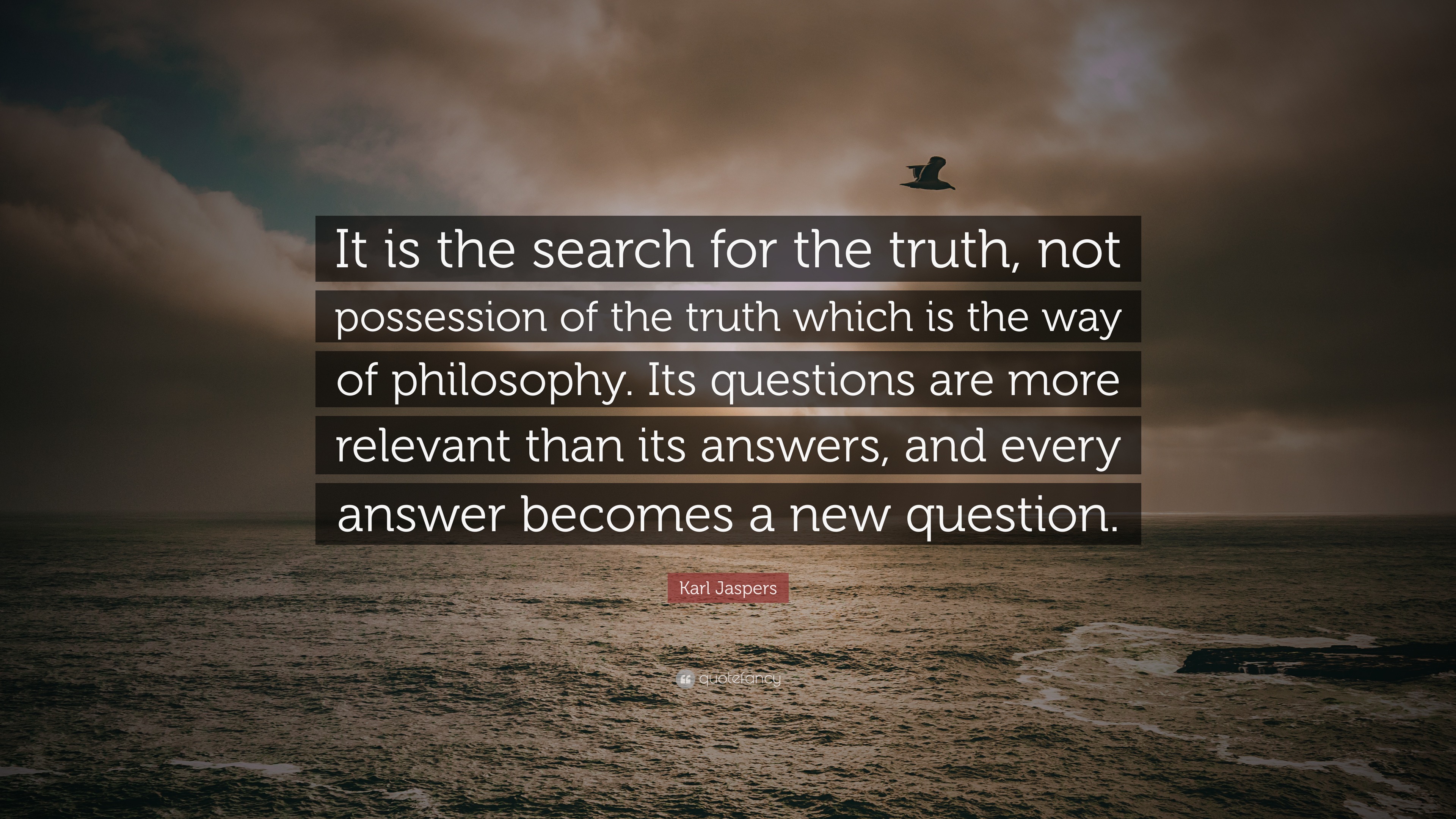
What we know about existence is that it is essential for human beings and gives meaning to life. Existence also relates to the nature of being, while ontology explores being and its uniqueness.
When we explore life’s big questions, things become clearer. Existentialism is a philosophy that seeks to understand life’s complexities and values authentic individuality. Many philosophers have attempted to explain existentialism. They have either landed us on the big picture or resolved life’s smaller challenges.
One philosopher named Karl Jaspers was a psychiatrist who faced many difficult situations in his life. Through these experiences, he learned that suffering and struggle are similar. These challenges are the existential crisis that we all must face at some point. And it is an unavoidable theme.
However, we can improve it with a positive attitude towards life. Existentialism creates a personal connection for us and can lead to happiness. It helps us define our individuality and connect to other beings. Jasper was influenced by Immanuel Kant, Kierkegaard, and Nietzsche. They have all defined existential philosophy to explore individuality by connecting to others. Let us better understand the varied concept of existence.

For Karl Jaspers, existence is the totality of reality and involves the characteristics of being. He defined a process of building strong connection with other objects- the encompassing and the immanent.
Encompassing is related to getting awareness of one’s situation and reflecting on the horizon of life. Existence also involves anticipating the endless possibilities that come from expanding our knowledge. It is about looking into the wider sense of reality. It is about accepting whatever comes as an output of the interaction with an object. To take as an example, a teacher encompasses and develops a strong interest in each student.
Another concept is immanent. It describes how the subject and object interact in real life, helping the subject understand the object better. It is about making a deeper connection with an object by identifying the individual needs. This does involve filtering the input to get the best output of an interaction. This connection reflects our natural human instincts. For example, finding the best life partner involves checking compatibility and common interests with each other.
For Karl Jaspers, reality includes both Empirical and Non-empirical aspects. To grasp non-empirical reality, we must explore our inner world and form internal connections with it. For instance, making important life choices requires us to reflect on our past and think about our future. This involves self-questioning, reflection, and clarifying our thoughts.
So, this practice of immanent and encompassing is very useful. It helps us to generate awareness and undergo self-realization. It helps in bringing better interactions with you as “the subject” and the world as “the object”. It also aids in interactions with your inner world as an object of interaction. To practice this philosophy, one could follow the five steps mentioned here. These steps will help us make better decisions in life.
Immerse yourself in learning these five attitudes of life and see your life become better.
- Existence is Essential for Meaning
- Accept Struggle and Suffering
- Maintain a Positive Attitude
- Expand Knowledge and Awareness
- Cultivate Authenticity and Self-Realization
These ideas described here help in making our interactions with the world. The interaction is possible either by immersing in the empirical reality (or observable reality) of subject-object interactions. Alternatively, it happens by allowing yourself to settle the inner complexities within. These two interaction types are possible through immanence, which is the exploration of the inner self. They are also possible through encompassing, which is the exploration of the outer self. Follow both at the same time to understand your needs and make a better connection with outer realities. This helps in choosing the right path and getting the right motivation and influence.
Thank you for reading this post. If you liked this idea, subscribe to our channel. Also, we have launched a mentorship program for 2025. Click here to know more about it.
Related posts…
How to be a rebellious person?
Reflecting Paulo Coelho’s ‘The Alchemist’ with Sartre’s insight
Why Nietzche’s ‘will to power’ is controversial?
Commitment and Existential crisis


Drop your thoughts below!